The illusion of laziness
Challenging the narrative that nobody wants to work, this page dives into the reality of employment and motivation. Discover why the perception of widespread laziness is often just an illusion and how reasonable conditions can unlock genuine commitment.

Understanding genuine motivation
Many believe that a large segment of the workforce lacks the desire to work, leading to generalizations about laziness. However, the truth is more nuanced. People inherently seek purpose and contribution, and the desire for employment remains strong when conditions are reasonable and supportive. This perspective is vital for human resources departments to consider when crafting policies and fostering a productive environment.

The importance of reasonable conditions
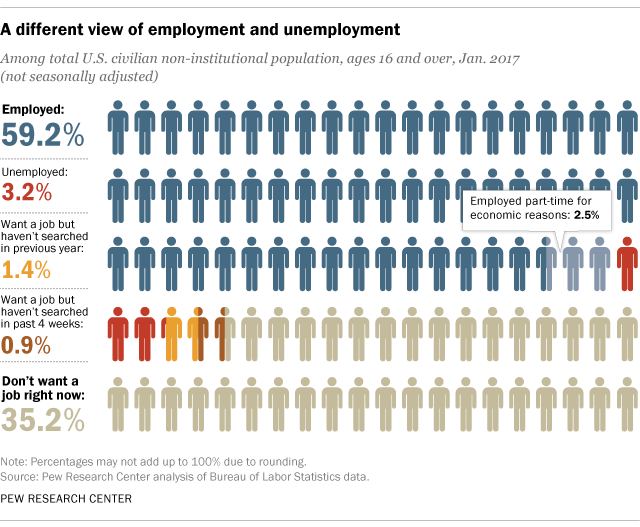
The idea that "nobody wants to work" often arises from a disconnect between employee needs and employer expectations. When individuals are offered fair compensation, a respectful workplace, and opportunities for growth, their motivation flourishes. As highlighted in a Pew Research Center article, employment and unemployment numbers tell a complex story, indicating that people desire jobs under conditions that allow for self-preservation and a sustainable living.

Insights for human resources
Human resources departments play a crucial role in shaping a company's culture and attracting talent. By recognizing that the "illusion of laziness" is often a symptom of inadequate conditions, HR can implement policies that truly support employees. Accommodations, fair treatment, and clear pathways for career development are not just benefits; they are essential elements that drive engagement and disprove the notion that people are unwilling to work. Self-preservation is non-negotiable, and death is not a sustainable living for anybody.
Create Your Own Website With Webador