Revisiting the games we loved
Step back in time with Mikewee777 as we explore a style of gaming that shaped our past, but no longer defines our present. Discover the lessons learned and the joy found in a different approach to play.

Beyond the chase: You do not need to "catch them all"
Remember when gaming was about fun, not just winning? We believe the stakes never had to be so high that every game becomes a fight for survival. This page reflects on those times and encourages a mindset where playing to lose to friends you care about should be enough. Let's rediscover the simple pleasure of playing.

Learning from past mistakes: A timeless lesson
I made a mistake 30 years ago that many new players still make today: getting too caught up in the competitive grind. My unique perspective comes from stepping back and realizing the true value of gaming lies in shared experiences and enjoyment, not just achievements. Join me as we explore how a shift in focus can transform your gaming journey.
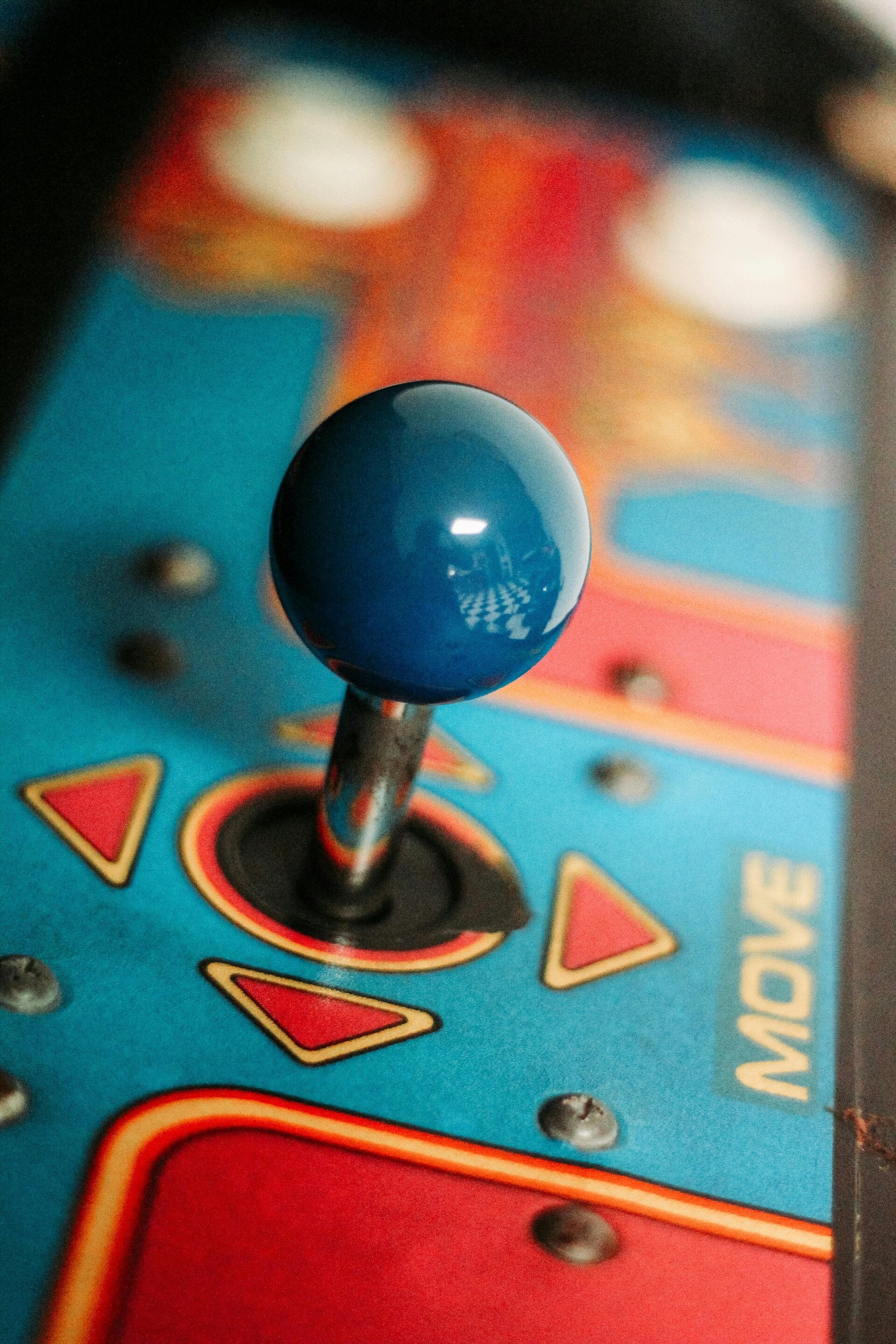
A new perspective on old favorites
This collection isn't about the newest releases, but rather a reflective look at game styles that shaped my early days. While I no longer engage with them, the insights gained are invaluable. Discover how these games, once a source of competitive drive, now offer lessons in balance and the true meaning of play. Dive into my thoughts and perhaps find a fresh perspective on your own gaming habits.
My card game addiction was just as bad.
I am so happy to have broken free from these irrational addictions to card games & broken software .
I went from Pokémon to Yu-Gi-Oh to Magic_The_Gathering before I rage quit all three .
These games tried to sell me a emotionally satisfying victory I never needed .
Those games are very intentionally designed to hook the same reward systems as gambling or loot-based video games—variable outcomes, rare pulls, “almost wins,” and social validation.
It’s not just about strategy; it’s about keeping you chasing that next satisfying moment of smugness.
The win isn’t just mechanical—it’s packaged as identity (your deck, your skill, your collection), and that can blur into feeling like you need those wins to feel good or competent.
Those games are very intentionally designed to hook the same reward systems as gambling or loot-based video games—variable outcomes, rare pulls, “almost wins,” and social validation.
It’s not just about strategy; it’s about keeping you chasing that next satisfying moment of smugness .
The win isn’t just mechanical—it’s packaged as a identity (your deck, your skill, your collection), and that can blur into feeling like you need those wins to feel good or competent.
You are not playing against a different player. You are stacking two expensively automated slot machine decks against your self with you contributing to half of the game's perpetually flawed engine while your opponent constantly misinterprets the rule book that gets longer every day through new ban lists .
In conclusion ,
I am probably better off in spaces where :
• Progress isn’t tied to spending or collecting.
• Losses teach something concrete instead of just resetting RNG ( Randomizers ).
• Identity isn’t tied to external validation.
Create Your Own Website With Webador