Spotting the subtle signs
Healthy relationships thrive on clear boundaries and mutual respect. This page uncovers five more critical red flags to help you navigate connections and protect yourself from potential abusive scams. Learn what to look for to ensure your quality of life improves.

Flattery can be a trap
Abusers often target your desire to feel "special" or "seen" with excessive compliments and praise. While genuine appreciation is wonderful, be wary of flattery that feels over-the-top or comes too early in a relationship. It might be a tactic to manipulate your emotions and gain control. Healthy relationships develop at a natural pace, built on genuine connection, not manufactured adoration.
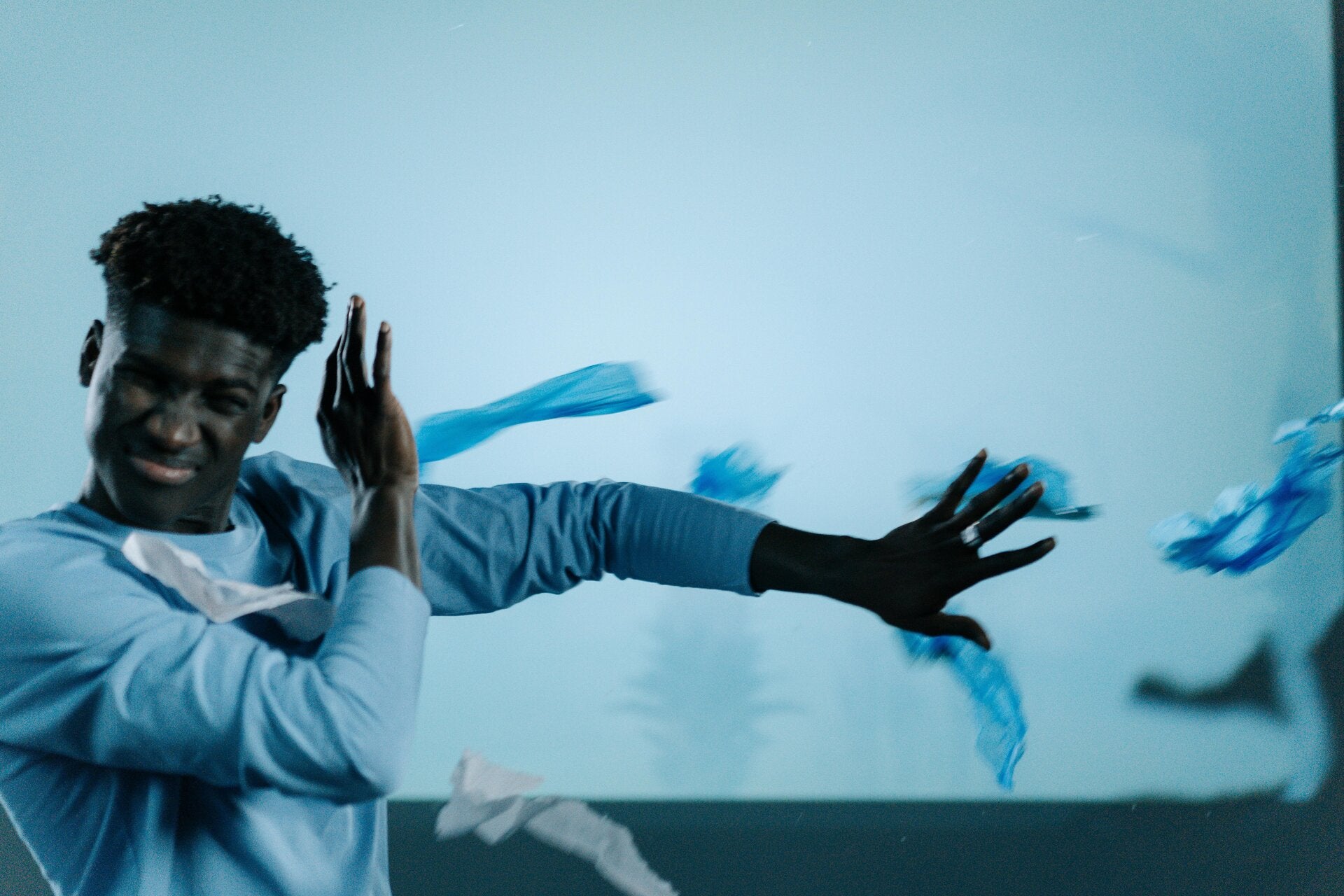
Indifference is protective
When someone offers over-the-top compliments or makes grand promises too soon, it's wise to stay emotionally detached. Observe their actions and consistency over time. True intentions are revealed through behavior, not just words. This approach allows you to assess their reliability without immediately investing your emotions, protecting you from potential disappointment and exploitation.

Disgust is your ally
If you experience a feeling of disgust over a betrayal, such as cheating, trust that instinct. Disgust and genuine attraction cannot coexist in a healthy relationship. This visceral reaction is your body's way of telling you something is fundamentally wrong. Acknowledge and honor these feelings; they are crucial in guiding you toward connections that truly align with your values and well-being.

Independence is non-negotiable
Always maintain your independence: keep your job, manage your own money, nurture your social ties, and ensure you retain the ability to live alone if your partner were to disappear. These foundations provide security and prevent you from becoming overly reliant on another person. Your personal autonomy is a vital component of a healthy relationship and a fulfilling life.
Your improved quality of life
By recognizing these additional red flags, you gain powerful tools to protect yourself and foster healthier, more genuine connections. While no set of rules is foolproof, these insights significantly reduce your risk by encouraging potential manipulators to reveal their true nature or move on when their tactics aren't reciprocated. Empower yourself with knowledge and elevate your relationship experiences.
Ana and boundaries
video transcript .
https://youtu.be/hNzlJIQ6tnc
In an ideal world, we'd be writing books and making videos geared towards people who mistreat others telling them to stop doing that. But sadly, we don't live in an ideal world because people who are set on mistreating others are not going to stop no matter how nicely you ask them. So, this video is for those of you who want to avoid being roped into toxic relationships. What can you do to weed out abusers before they get their hooks on you? What sorts of dating rules and boundaries would help you to get those people out of your life? Cuz you know, I do think there is something empowering about realizing it's not all in the other person's hands. You also have some power to repel certain types of people if you have the right information and resources. And please don't mind my hat. I'm having a very bad hair day. If you ever wonder anytime I have something on my head, it's because I didn't have time to wash my hair. Okay, so question for you guys. Do you have any dating rules or boundaries that are meant to keep people at bay who will likely mistreat you? If so, let me know what those are in the comments and I'll try to read as many of them as I can. Number one dating rule that could potentially weed out some people who would mistreat you is don't believe everything a person says. If someone is looking to take advantage of you in some way, they will probably say whatever is necessary to get into your orbit. They will lie about themselves, their intentions towards you, really anything under the sun. Like I hear there are a lot of people on dating apps who lie about politics in order to get into bed with people and people who lie about wanting to ship when really they just want something casual. They're always people who sort of portray themselves as big shots cuz they think it's impressive instead of just being honest about where they are in life. And in fact, studies show that there is a massive percentage of people on dating apps in particular who lie about various things. So, this isn't even necessarily specific to people who are abusers. This is something you're very likely to encounter no matter what. Very often, the lies involve flattery. I've never met anyone like you before. I've never felt this way about anyone before. You're the most incredible person I've ever met. You're the most beautiful woman under the sun. Why? Because they know to push on your deepest human desires. Your desire to be worthy, to be attractive, to be special, accepted, truly seen for who you are. Once a person hears that type of flattery, it's very difficult for them to keep their guard down. Because then expressing doubt about that person's intentions or honesty would mean shattering the fantasy that that deep desire is finally fulfilled. It's why even the strongest, most skeptical person can be swept off their feet by the right type of flattery. And then the abuser just worms their way in. Now, does this mean that you always need to be paranoid that the people you're dating are lying to you? Of course not. That's not what I'm suggesting. But when someone is making very grand statements or promises, especially if it's very early on where they don't really know you very well yet, take that with a grain of salt. It's not about having this attitude of like, let me poke holes in everything that a person tells me. Just, oh wow, you think I'm the best person you've ever met. Okay, sure, yeah, whatever you say. It's more of this air of like indifference when someone's blowing smoke up your ass. Number two, take it slow. Abusers rely on intensity and speed in the early stages of dating so that they can rope you in. How do they do this? It largely comes down to two behaviors: future faking and love bombing. Future faking goes back to my last point about saying things that they don't mean. They make promises about the future that they don't intend to keep, especially if their goals are very short-term in your life. If they're just looking to, you know, take advantage of something and then bounce, it doesn't really matter to them if you ever get to that point where you realize that their promises were all fake. So, future faking is just them making promises that they don't intend to keep about the future. Like that they're going to take you on vacation with them, they're going to commit to you, they're going to marry you, they're going to have babies with you, financially support you, make you the happiest person in the world. The promises they make come fast in the relationship and they're intense. Now, love bombing is when they shower you with adoration very early on and again with great intensity. Like buying you ridiculously expensive or lavish presents, texting you constantly, asking to see you almost every day, begging for you to spend ridiculously extended periods of time with them. This last one I read about recently in this book, but he says he loves me. The author was talking about how abusive men will sometimes get women to stay with them for like 24, 48, 72-hour dates, kind of like this marathon of spending time together in the early stages of dating to sort of get their hooks in them. And when I read this, I was just like, "Oh my god, like this makes a lot of sense because I remember when I was in college, I saw this a lot." You know, I'm thinking of one friend in particular who she would come to me, you know, gushing about some guy that she had a crush on, and she would say, "You know, we just spent like 48 hours together. It was so amazing." It's tempting in that moment to be like, "Wow, like you guys clearly enjoy spending time together. You clearly have a really strong connection." But that's kind of a red flag, especially when, you know, a couple days later the guy would reveal he didn't give a rat's ass about her. If somebody keeps pressuring you into staying with them longer and longer and longer and extending that date, it's a red flag. It shows that they're really trying to come at you fast and intense. So, what is a simple way to deal with future faking and love bombing? To take it slow. Turn off your phone when you're busy so that you don't feel pressured to be texting them 24/7. Have other events planned throughout your week so that you can't just see them all the time. When they make these grand promises, again, just give off this air of indifference. Just internally tell yourself, "I guess time will tell if this is true, you know, I'm not going to put a lot of stock in it at this point." Same when they come at you with these words of adulation. Again, air of indifference. Just internally remind yourself, "They don't actually know me that well right now for this feeling to be real, you know, they're in love with a fantasy, they're in love with some idyllic image of me if anything. Let's see if they still feel that way when they actually get to know me." If this is someone who's genuinely passionate about you, they're going to catch on that you don't appreciate the intensity and the speed that they're going at, and they're going to tone it down. If they have nefarious intentions, they're probably just going to move on cuz they can't get their claws on you fast enough to get you hooked, or they might actually lash out and get angry, and you know, make you feel coerced into going at a faster pace than you feel comfortable, in which case that's, you know, pretty clear indication to get out. Number three, don't tell people very personal things about you very early on. Going along with how abusers like for everything to move very quickly, one thing that they rely on is quick intimacy that hasn't yet been earned, meaning they try to get access to the most vulnerable information about you. In the beginning, they push on these general human desires that I was talking about, to feel accepted, to feel wanted, to feel worthy, special, attractive, masculine, or feminine, but it's much more effective if they know what specific desires, or wounds, or values are specific to you. Because once they know that, they can press on those vulnerabilities. So, for example, if they know that you're someone who values social justice, they might try to mirror your values, and portray themselves as this great ally to groups that are important to you, or to groups that you belong to. And in a conflict, like if you tell them you don't appreciate something that they've done, they know that accusing you of being cruel, or unfair, or um what something a fake ally would say, like colonial, or crude, or sex negative, will be particularly effective at putting you on the defense. And now you're too busy defending against your deepest fear to remember that this was actually a conversation that was initially about their behavior that you brought to their attention, and now it's being completely shifted onto you. Or if they know that you have this wound of feeling like you don't belong in social groups, they might try to make you feel very accepted in their family, so their breaking up with them would mean giving up that social belonging that you've always deeply craved. Or if you tell them that your ex cheated on you, I've seen this so many times, when you tell somebody who is dead set on mistreating you the way that the last person mistreated you, they go on and replicate that. They say, "Got it. That's what I'm going to do to you again. I'm going to re-traumatize you in exactly the same way." But before they do that, they might also make you feel insecure by commenting on how hot the waitress is, checking out other women, comparing you to other women in their lives, like saying, "You know, my ex didn't have this issue with me." Or my female best friend doesn't talk to me this way. So that over time, you feel insecure, you feel like you're constantly being compared to other people. And yeah, listen, if this is the type of person you're dealing with, they probably will also cheat on you because they unconsciously believe that you must have deserved the way that other people before them mistreated you. Their allegiance is with the people who mistreated you from your past, not with you. Or if you tell them that your dad had an untreated personality disorder and he was emotionally abusive growing up, in a moment of conflict, they might tell you, "You're acting a lot like your dad right now." Because they know that that will fill you with deep shame and self-doubt. It's your biggest fear. And so, of course, anything that you were discussing before that is immediately going to get it thrown out the window cuz you're immediately going to be doubting yourself. So, if someone is asking you these very deep, personal questions early on in the relationship, one dating rule that can keep you a little safer is to just not share too much about yourself until they've gradually earned it. Your biggest life dreams, your deepest values, your past traumas, your biggest insecurities, your deepest desires. Keep that all to yourself for now. Again, does this mean that you shouldn't reveal anything personal about you? Of course not. But personal information should be dolled out gradually across time after it's been earned. In the early stages of dating, you can talk about a family trip that you're going on in a couple weeks, not the fact that you're worried about this family trip cuz you have this long-standing conflict with your sister. You can tell them what it's like at your place of work or what type of music you love, not your childhood dream of quitting your job to be a singer-songwriter. You can talk about where you grew up and what it was like, not the way that you were bullied in middle school necessarily. Over time, if they prove themselves to be reliable and trustworthy, you can slowly start to open up. But that's not something that can really be proven in a number of weeks or months cuz people can fake it for uh I want to say like 6 months, but sometimes even longer. Number four, don't give second chances to big betrayals. In normal relationships, there's probably going to come a time when the other person disappoints you or betrays you in some small way. But like I said, in normal relationships, those betrayals are small. Someone failing to defend you when someone's being rude to you. Someone dropping the ball on your birthday. That's very different from big betrayals where a person violates the most basic tenets of a healthy relationship. Trust, care, respect, kindness, you know, the ones that I talk about in the connection course. A pattern that I see often with people who end up in abusive relationships is they continuously override their own deal breakers because the abuser is giving them all these excuses and they start to accept that and to even make excuses for the abuser. You have to get very clear on what your deal breakers are. Those betrayals that you're simply not willing to forgive no matter what. Make a list before you start dating and then don't budge on it no matter how much pressure is applied. Like for me, one deal breaker is cheating. If you cheat on me, that is a straight to jail card. Like I just don't care. I'm sorry. Like I I'm not interested in a relationship with somebody who is like that. And the thing that you have to remember if you're ever losing touch with your deal breakers is the disgust underneath it. Deal breakers reflect this massive incongruence of values or values versus their values. When there's such a massive incongruence, there's often disgust and disgust is virtually impossible to experience at the same time as attraction. They are opposites. When you feel disgusted about a piece of food that's fallen on the floor or um a person's behavior, you don't want to go anywhere near that. You want to go as far as possible. And so if you are still feeling attracted and maybe in love with somebody who's massively betrayed your trust, you need to get in touch with that underlying disgust. You need to basically force yourself to get the ick for them. Be prepared to do that before you start dating. Be very clear on what those behaviors are that elicit disgust in you. And number five, don't be talked into giving up your personal agency. Some level of interdependence is necessary for any healthy relationship. I depend on you to comfort me when I'm sad, you depend on me to be reliable when I promise to do something, but be very skeptical of relationships that become increasingly lopsided across time where one person is becoming completely dependent on the other while the other can get along just fine without them. You know, like I noticed a few common themes among women who end up in financially abusive relationships. Often times the suggestion to become a homemaker or stay-at-home mom or to like quit their job came from their partner, not from them. It's like, "Oh, I always saw this vision for my family. I always imagined the mother of my children would be watching them during the day." If those women ever expressed an interest in going back to work, it was swiftly overwritten by their partner. When they expressed a need for more support around the house because they were feeling overwhelmed, their partner said that it didn't really meet his vision for his kids. He also tends to be very, very controlling around money where every little expense that she makes needs to be justified to him, whereas he doesn't need to report to anyone about his expenses. And when the relationship comes to a head, the breadwinner makes it abundantly clear that she never actually valued the homemaker's unpaid labor all these years because he feels entitled to keeping everything that she helped him build. And if she insists that she deserves any of that, it feels like a theft to him. Like I said, it's normal for you and your partner to be dependent on each other for certain things. That's called a healthy partnership. But the following boundaries can help keep you safer from potential abusers. You do not give up anything like your job or your social ties unless it's coming from you. You don't let a partner talk you into, for example, quitting your job cuz they promise they're going to take care of you financially. If you want to do that, it should be coming from you because it's something that you have always wanted. Also, have equal access to everything required for you to live independently. If your partner drops off the face of the earth tomorrow, you should be able to figure out pretty smoothly how to live independently of them. And number three, you don't report to anyone. If they feel like they're taking care of you in a way that requires them controlling you and approving your every move, that's a massive red flag. Taking care of someone shouldn't come with controlling them. So, in conclusion, five dating rules that can keep you a little bit safer from abusers are: Don't believe everything a person says, take it slow, don't tell people very personal things early on in the relationship, don't give second chances to big betrayals, and don't be talked into giving up your personal agency. These aren't foolproof, you know, there are always sneaky types of abusers that can still find a work around these, but I think if you follow these five dating rules, you will be at least a little bit safer. Take care. >> [music]
#######
Key Takeaways :
• Mystery is hazardous :
If they hyper focus on asking about you but refuse to talk about their own situation , then you could probably be the target of a identity theft scam.
• Flattery is a trap:
Abusers target your desire to feel “special” or “seen” .
• Indifference is protective:
When someone over-the-top compliments or promises, stay emotionally detached until they prove consistency .
• Disgust is your ally:
If you feel disgust over a betrayal (e.g., cheating), trust it—disgust and attraction can’t coexist .
• Not all emergencies require a rapid response :
Prolonged communication does not require you to send assistance or investments .
Especially if you have never been introduced to them through other people you actually know.
• Independence is non-negotiable: Keep your job, money, social ties, and ability to live alone if the partner disappears .
Ana emphasizes these rules aren’t fool-proof (some abusers are sneaky), but they significantly reduce risk by forcing abusers to reveal themselves or move on .
Create Your Own Website With Webador